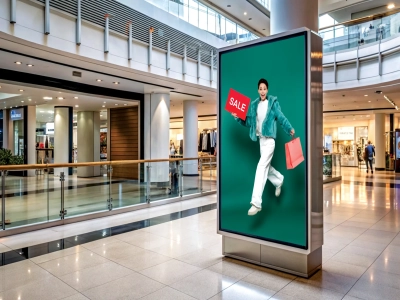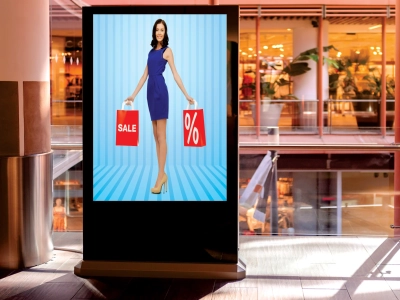

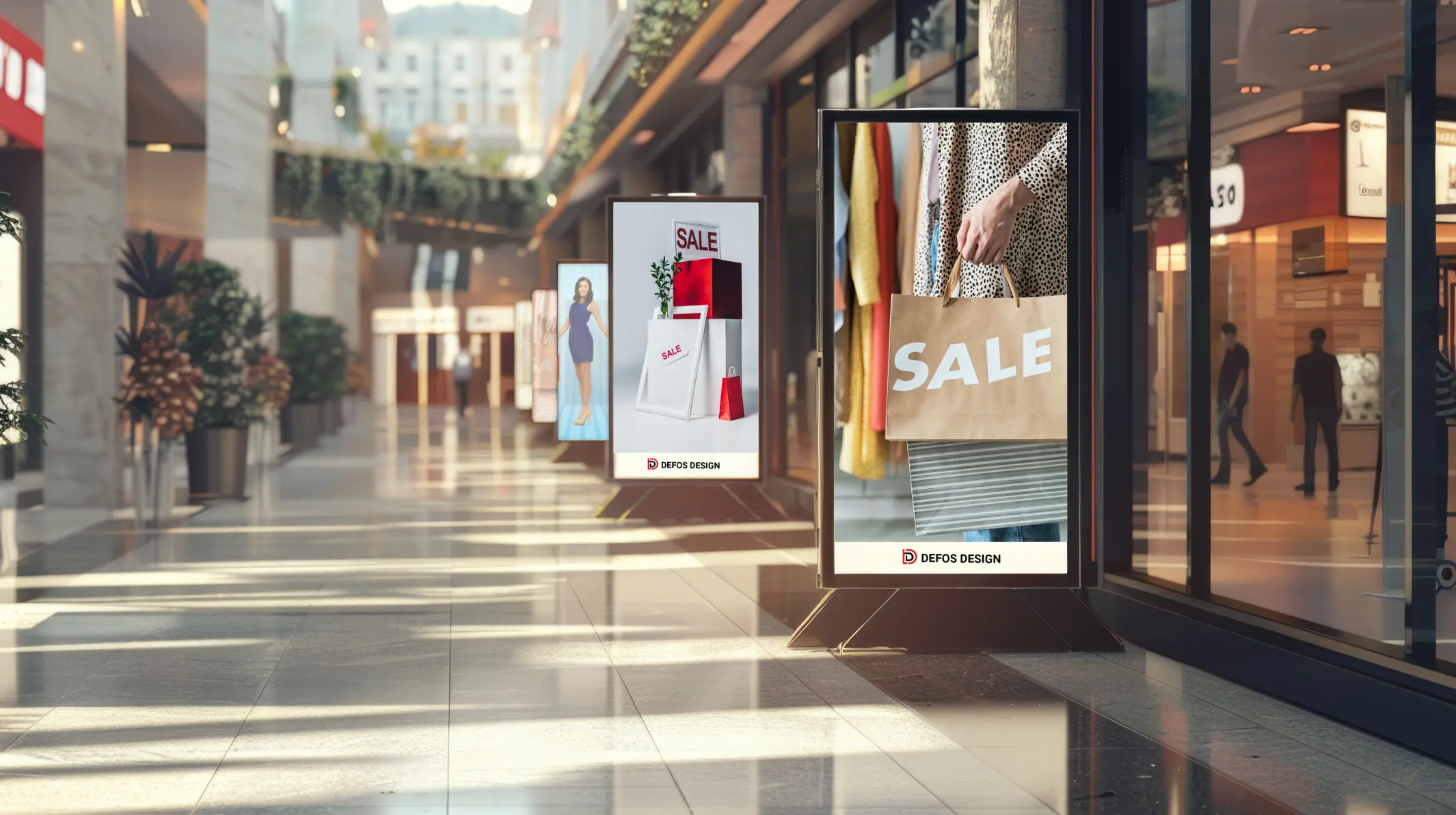
Digital signage is no longer a display screen but it is a smart advertising platform that assists brands to communicate dynamically both at indoor and outdoor. Digital Signage Solutions are currently driving the most effective customer experiences, whether it is a retail store advertising new arrivals, a restaurant updating menu boards in real time or a mall broadcasting events on a large LED display.
If you also want to know what is digital signage, how it functions and how an Indian business (or any other business in the world, can use it to promote itself and interact with its customers), this guide will explain it all - in simple terms keeping in consideration actual business results.
Digital signage can be described as electronic based displays such as standees, kiosks, screens (indoor) and LED billboards as well as video walls that display ads, menu, promotion and other valuable messages either in a scheduled or real-time.
However, it is not only a display but modern digital signage. It is a combination of three major components:
They collectively enable businesses to be intelligent, faster and more visual than print used to be.
People are crowded with static advertisements but in this digital world motion graphics, and videos instantly command attention.
Digital signage displays have advantages such as:
It can be a single screen or a network of 200 stores, the effect remains the same.
The indoor displays can be used in cases of:
The attributes that enable the power of indoor digital signage:
The real advantage? The indoor signage will affect the decision of the customer at the point of their purchase, which is right inside the store.
Outdoor signage has to overcome sunshine, weather, and physical deterioration and current outdoor digital signage displays do so.
Outside signage such as bus shelter screens, highway LED billboards change real estate into round-the-clock media.
Not all brands are interested in the wall mounting of display and huge LEDs. Digital signage boards, standees, and floor standing kiosks come in at that point.
These work best in:
Touchscreen kiosks go even further with:
They do not merely present the content, but gather data and enhance the flow of customers.
The CMS System is the core of Digital Signage solutions. It allows an individual to manage all displays remotely by cloud based digital signage program.
A solid CMS should offer:
No USB drives. No manual updates. No technical hassle.
Don’t just compare screens — compare value.
|
Decision Factor |
What to Look For |
|
Indoor vs Outdoor |
Brightness levels, IP rating, anti-glare |
|
Content needs |
Video, animation, templates, interactive |
|
Foot traffic |
Screen size and placement |
|
Software |
Cloud access, analytics, integrations |
|
Support |
Training, after-sales service, warranty |
|
Growth plan |
Scalability from 1 screen to multiple branches |
By strategically using digital signage, brands can level up engagement, number of repeat visits, and increase the sales higher and higher.
The cost of digital signage can be determined by:
But the ROI is clear:
Instead of spending on ads, businesses start scaling their messaging.
The search trends and adoption of the market have seen a growth in:
Partnering with a Digital Signage Display Manufacturer in India is more preferred by more brands as it will ensure:
Digital signage India is not merely keeping pace, but it is exploding.
Screens are no longer just screens.
They are smarter and more interactive and quantifiable means of communication.
As the attentions of customers become more difficult to win, the Digital Signage Solutions provide brands with an unquestionable advantage on all levels of the customer journey - awareness, engagement, conversion and retention.
Standee, indoor, outdoor, kiosk, video wall, the appropriate display at the appropriate location effectively convey brand messages that cannot be conveyed by the traditional advertisement.